Services
What we do
We work to bring closure to families through the discovery and disclosure of facts — the ones traditional law enforcement techniques and procedures never surfaced.
Case review
We re-read the whole file — police reports, timelines, witness statements — and identify what was never followed up. Most cases begin here, and many end here with a clear answer about whether the original conclusion holds.
Forensic analysis
Autopsy findings and recovery-site evidence assessed against established drowning and homicide forensics, with independent pathologists and forensic specialists brought in where the evidence warrants it.
Field investigation
Scene reconstruction, canvassing, surveillance, and archival research, carried out by detectives who spent their careers working homicides.
Witness interviews
Structured interviews conducted by specialists in reading character, behavior, and inconsistency — including witnesses who were never approached the first time.
Family advocacy
We keep families informed in plain language, and where it helps the case, we make their argument to agencies, prosecutors, and press.
Expert consultation
Support for attorneys, journalists, and investigators who need experienced eyes on a suspicious death, a contested ruling, or a case that has gone cold.
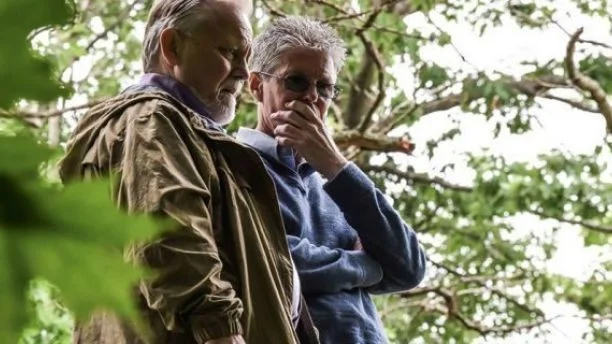
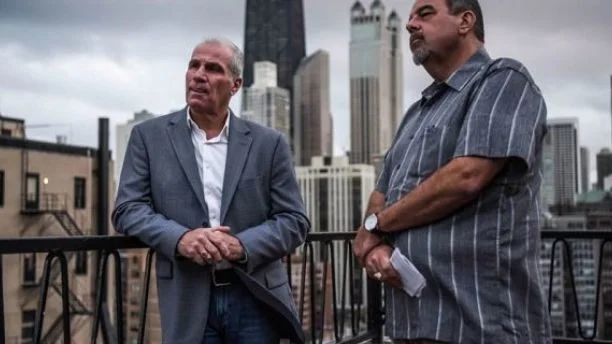
Not sure whether your case is one we can help with? Tell us what happened. We will tell you honestly whether there is something to investigate.
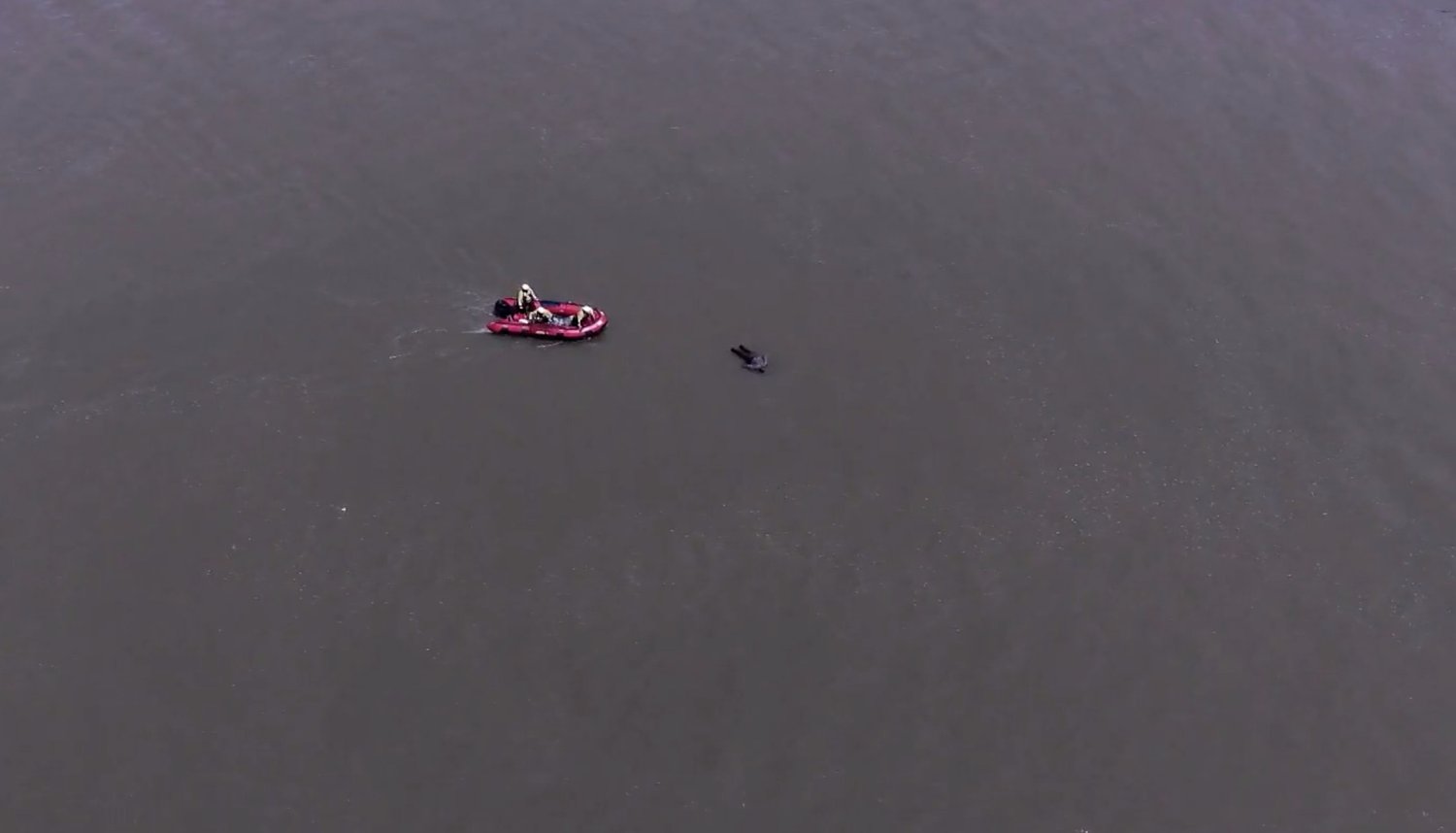
Our guiding principles
- 01
Integrity
We tell families what the evidence supports — not what they hope to hear, and not whatever closes a file fastest.
- 02
Compassion
Every case begins with someone who is grieving. We listen first, explain plainly, and keep families informed at every stage of the investigation.
- 03
Professionalism
Our investigators are career detectives with decades of homicide experience, and we keep current with forensic methods as they advance.
- 04
Fairness
We follow the evidence wherever it leads, without bias toward any theory, any agency, or any outcome.